The people tasked with protecting this landscape are fighting a losing battle.
For thousands of years, humans have left some sort of trace wherever we went—from stone tools and pottery to bronze items. But there is a profound disconnect between our ancestors' artefacts and the traces we leave behind today.
When our ancestors left behind a shattered pot, they were returning natural materials to the earth, eventually becoming part of the archaeological record. Today, it seems a majority of individuals have lost the ability to distinguish between a weightless sweet wrapper in our pockets and the permanent, devastating impact it has on our beautiful landscape.
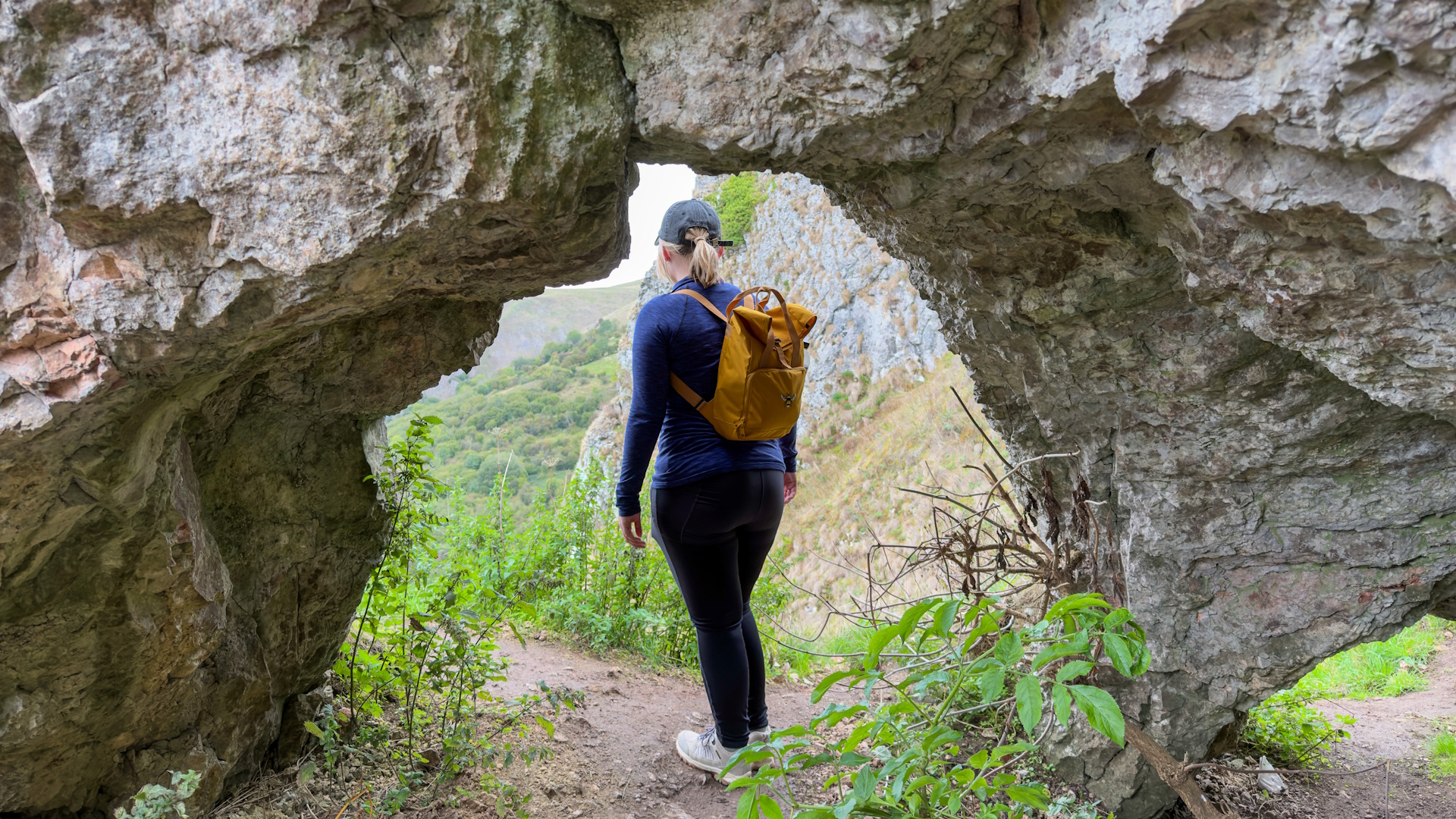
I witnessed this firsthand on a recent visit to the Peak District—specifically Thor’s Cave (Thyrsis's Cavern) in the Manifold Valley. The sheer scale of the 10-metre limestone arch and views down the valley are sights you would not want to miss, but that feeling is quickly overshadowed by the harsh realities of what our National Parks are facing today.
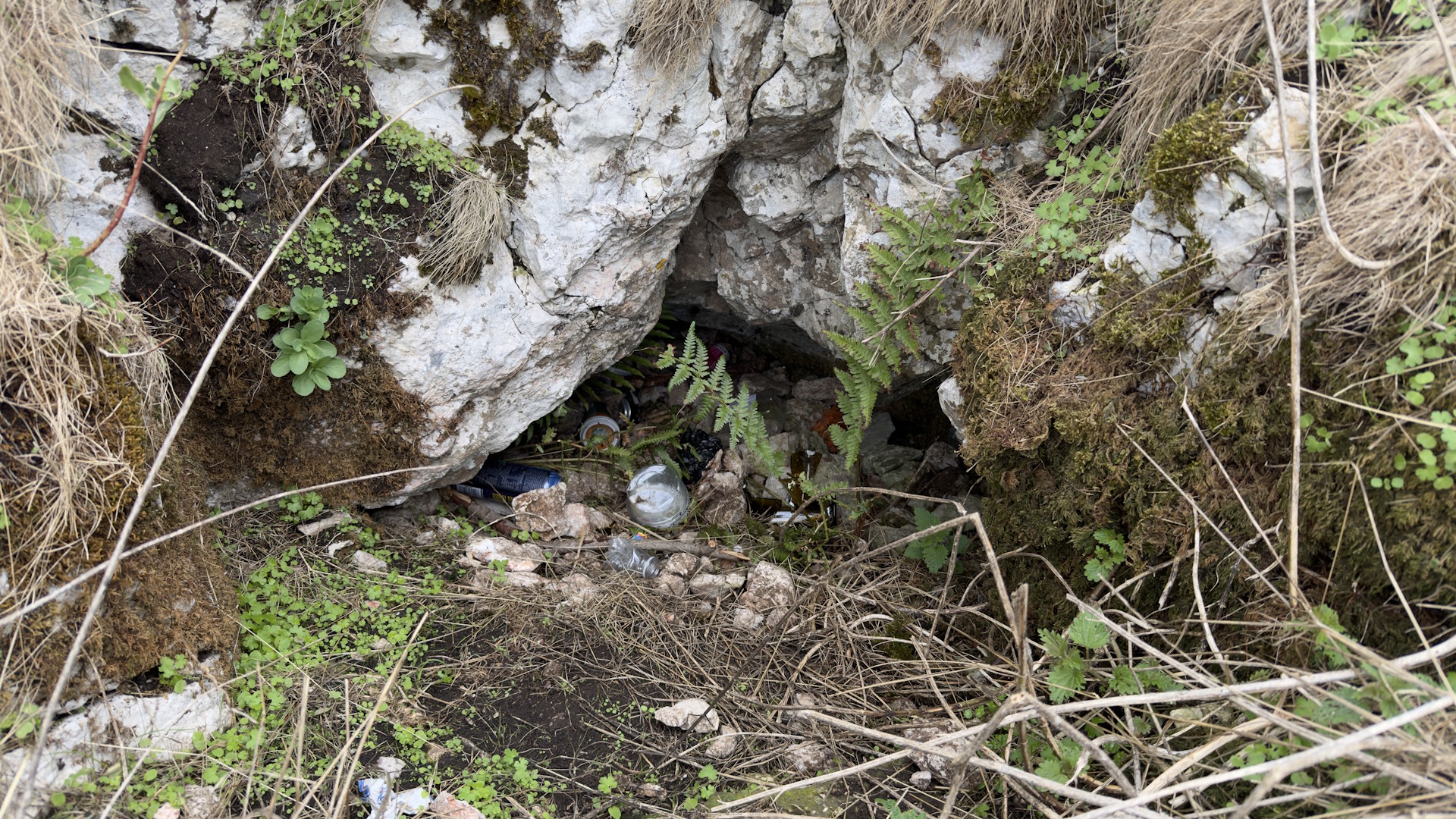
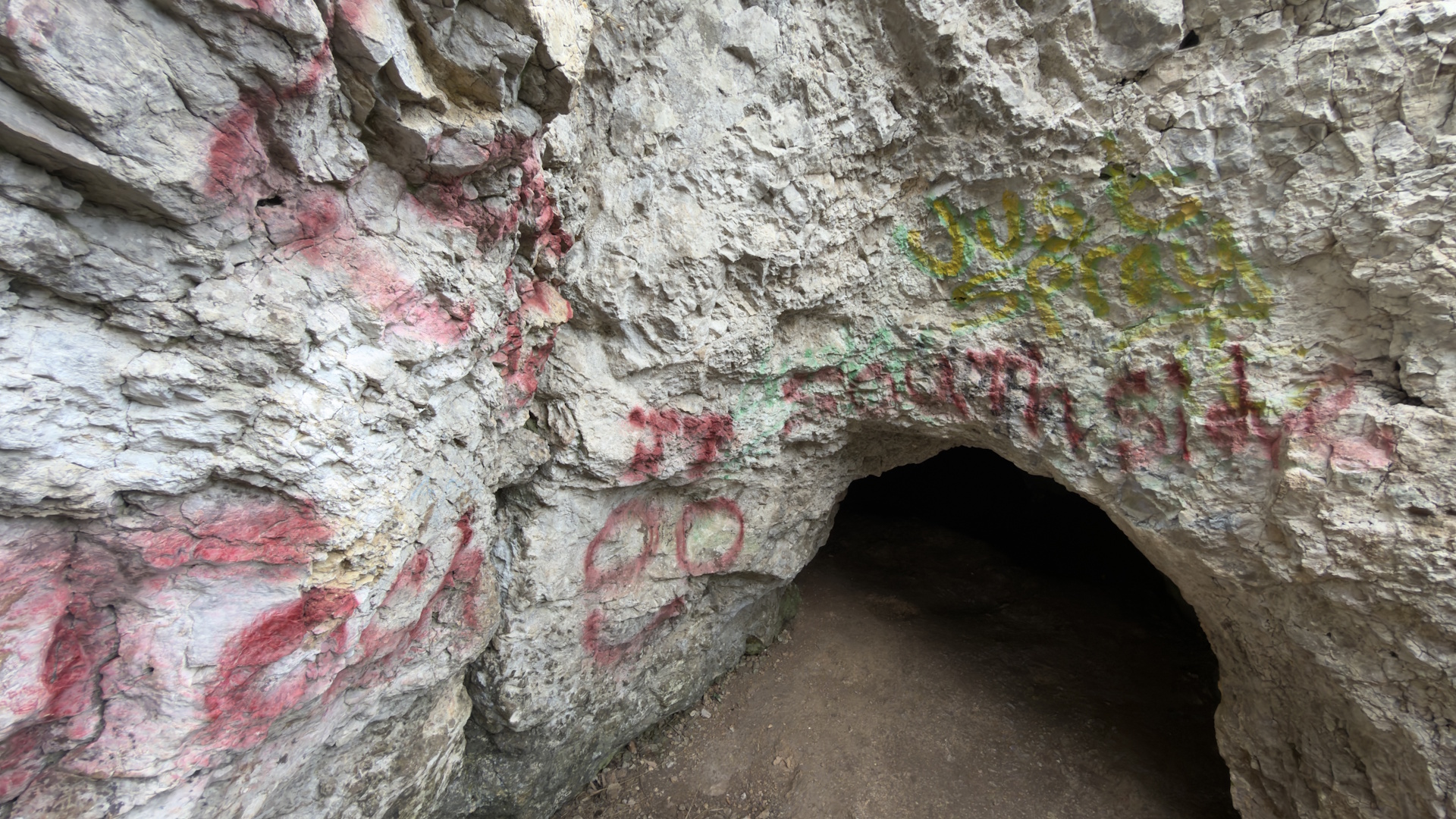
Rubbish, bottles, wrappers, glass—anything and everything was scattered across the site. Of course, in very prominent places where visitors have stopped to take a break, eat lunch, and then disposed of their plastic in the trees and bushes. What happened to 'leave no trace'? There was even rubbish, I’m sorry to say, crammed deep into the crevices within the caves themselves, while fresh graffiti scarred the ancient limestone walls. I have never been so angry, disappointed and quite frankly embarrassed by the way our species treats the earth we walk on. Rubbish crammed into a rock crevice.
This scattered waste isn't just upsetting; it poses an immediate hazard to the local wildlife and the cattle that graze nearby. The countryside is being treated as an outdoor bin, and it must stop.
The root of this degradation is overtourism. Driven by a surge in popularity, the sheer volume of footfall is fundamentally altering the site. A glance at online reviews reveals a growing chorus of frustration from visitors who are noticing the strain on both the landscape and the experience. One reviewer noted they were “a bit sad to see rubbish on the floor and broken bottle[s]” left behind. Another captured the frustrating reality of a photo-obsessed crowd:
“Once inside, you need to watch your footing; however, it is stunning with great photo opportunities. This is where the idiot part of the people comes in. There was a large group who appeared after I was there, and they were everywhere and took over the cave as they clearly needed 100 photos of each other! I will probably come back again at a quieter time of year!”
It has quickly become clear that the people tasked with protecting this landscape are fighting a losing battle.
Which is why I knew I couldn’t stand by and do nothing. I contacted the Peak District National Park. At first, I was hesitant—not because I thought my concerns would be ignored, but because the site is privately owned. Without a direct contact for the landowner, I knew I had to contact the National Park first.
The reply I received came from their Customer Support team, reassuring me they had received my email and were “working with partners including county and district council authorities, landowners and emergency services to better understand the impact of such behaviours on the National Park landscape.” They went on to say that my report of the graffiti and littering had been added to their evidence base and would be used to help guide future action in protecting the landscape as part of the National Park Management Plan. To end the email, they noted they would forward my concerns straight to the Area Ranger to make them aware. Red and green graffiti sprayed across the natural limestone walls.
When the local Engagement Ranger followed up with me, their response painted a much darker picture of what that "impact" actually looks like for the people physically trying to hold the line:
"I am aware of the pressures and impact that the large volume of visitors put on the area, which has increased significantly since COVID. Myself and other Rangers have been clearing litter and graffiti around here when resource allows, and some members of the local community also help out, but despite this, it does still build up quickly, and our resources are stretched."
But their reply didn't end there; the Ranger asked for permission to share my email directly with the landowners, which of course I agreed to. It was also suggested that I contact the Devonshire Group and Chatsworth Estate directly, highlighting everything again, to keep the pressure on.
In my follow-up to the estate, I made sure to include their commitments to sustainability and their goals surrounding the Green Tourism award. They received gold, and to maintain that, they must continue to reduce waste and emissions within their parks.
The response I received from the Head of Derbyshire Estates acknowledged the frustration, noting it was "disappointing to see the volume of rubbish, and the presence of graffiti at a site like Thors Cave." They confirmed that despite signage and regular clean-ups by both the estate and Rangers, the sheer volume of visitors continues to overwhelm the site.
However, they also outlined concrete steps being taken in response. Alongside their annual spring clean, an additional autumn litter pick has been scheduled to combat what was an "especially bad" summer. Most staggeringly, the estate is now having to bring in specialists with rope access just to clear the rubbish crammed into unsafe, out-of-reach crevices, while coordinating a joint effort with the Rangers to remove the graffiti.
It was a promising reply, proving that raising these concerns does prompt action from the top. Yet, reading their response, a heavier realisation sank in. Writing emails directly to the leading bodies, while necessary, is just a bandage on a much larger wound. The ultimate responsibility doesn't lie solely with the stretched rangers scrambling to clean up the mess, or even the landowners forced to hire rope-access specialists; it lies with the people making it.
My message is that we do not need to stop visiting these remarkable places; our rural economies depend on our support, and the sheer beauty of the Manifold Valley is something everyone deserves to experience. But we desperately need to change how we visit. It is no longer enough to just 'enjoy the view.' We must become active stewards of it. If we can carry a full plastic bottle into the landscape, we can carry an empty one out.